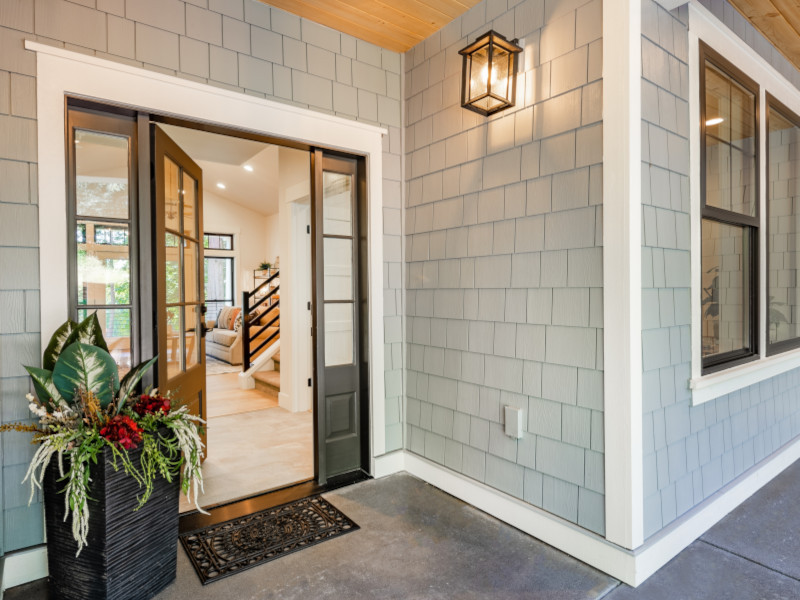
Wood Door Maintenance: Tips for Keeping Your Door Beautiful For Longer
Published by Kevin on Jan 6th 2024
Your front door isn’t just an entry point to your home: it's also a crucial part of your home's security and aesthetic appeal. When it comes to wood doors, whether you're considering a classic mahogany wood door or the rustic charm of a knotty alder wood door, understanding how to care for and maintain them will keep your home beautiful and safe for years.
In this article, we will provide you with valuable wood front door maintenance tips on how to care for your front door, from the initial installation to ongoing upkeep. Let’s get into it.
Why Maintaining Your Wood Door Is So Important
The cost of neglecting your front door adds up fast. A degraded finish lets moisture into the wood. Moisture causes swelling, warping, and eventually rot. What starts as a door with a few chips that needs a new topcoat quickly becomes a door that needs replacing. Exterior wood door maintenance, including inspecting your door, cleaning it, and sealing it, prevents small problems from becoming big ones.
The good news is that a properly installed and finished wood door does not require constant attention. A few deliberate checks and a little maintenance each year are enough to keep it looking and performing well for decades.
What Damages Wood Doors
Wood doors are exposed to the elements every day, and understanding what causes damage is the first step in preventing it. Four factors account for most wear on exterior wood doors.
- Moisture is the biggest threat to a wooden door. Rain, humidity, and standing water cause wood to swell, warp, and rot. Untreated or poorly sealed edges are the most common entry points for moisture.
- UV exposure breaks down finishes and fades the wood's natural color. Without a topcoat that contains UV inhibitors, even a well-installed door could start deteriorating within a few years of direct exposure to the sun.
- Temperature changes cause wood to expand and contract. Doors that aren't adequately sealed can develop gaps around the frame or develop cracks in the finish over time.
Everyday use can have a pretty big impact on your door, too. Repeated slamming stresses hinges and the door frame, and general wear gradually affects locks, knobs, and seals.
Signs Your Exterior Wood Door Needs Attention
Catching problems early saves you from more involved repairs down the road. Inspect your door periodically for any of the following:
- Peeling, cracking, or flaking finish: The finish is your door's primary moisture barrier. Once it starts to go, the wood underneath is at risk.
- Visible fading or discoloration: This is usually a sign that UV exposure has degraded the topcoat.
- Squeaking, sticking, or difficulty opening and closing: These problems are often caused by hinge wear, swelling from moisture, or shifting in the frame.
- Drafts or visible gaps around the frame: Space between the door and the frame usually means weatherstripping failure or caulking that needs to be refreshed.
- Soft spots or discoloration in the wood: This is a sign that moisture has already entered the wood.
If you see any of these problems, take care of them as soon as you can. A little early exterior door maintenance can save you a lot of time and money.
How to Clean a Wood Front Door
Regular cleaning is one of the simplest and most effective things you can do to extend the life of your door's finish. Dirt, pollen, and grime trap moisture against the door’s surface, accelerating wear on the topcoat.
How Often You Should Clean Your Door
A monthly cleaning is enough for most climates. If you're in a dusty area or it's pollen season, clean it more frequently.
What You Need
- Warm water
- Mild dish soap (Dawn works well and is safe for finished wood surfaces)
- Two microfiber cloths — one for washing, one for drying
- Glass cleaner and a separate cloth if your door has glass panes
What to Avoid
- Bleach, ammonia, and disinfectant cleaners (such as Lysol) contain solvents that can damage the wood finish. Stick to mild soap and water.
- Abrasive scrubbers will scratch the topcoat.
Cleaning Your Door
- Mix a small amount of mild dish soap into a bucket of warm water.
- Dip a microfiber cloth into the solution, wring out the excess, and gently wipe down the door surface and frame.
- Rinse the cloth with clean water frequently as you work to avoid spreading grime.
- If your door has glass panes, clean those separately with glass cleaner and a second cloth.
- Dry the door immediately with a clean, dry microfiber cloth. Don't let water sit on the surface.
- Leave the door open for a few minutes to allow any remaining moisture on the edges to evaporate.
A little effort every month or so will mean a safer, better looking door. Our cleaning guide goes deeper on how to care for your entryway door.
Finishing and Sealing Your Front Door
Finishing a wood door is pretty simple. . Choosea high-quality finish, topcoat sealant with UV inhibitors, and use it to seal the surface and edges for long-lasting protection. This initial effort ensures that your door can withstand the abuse of the ever-changing outdoor environment.
Here are some factors to consider when finishing your front door.
- Use exterior-grade finish: Always opt for a high-quality wood finish explicitly designed for exterior use. Exterior-grade finishes are engineered to withstand outdoor exposure, including temperature variations, moisture, and sunlight. These finishes form a protective barrier that shields the wood from the elements.
- Follow the manufacturer's instructions: To get the best protection and durability, follow the manufacturer's application instructions closely. Each product will have specific recommendations about application, drying time, and the number of coats required. Deviating from these guidelines can compromise the finish.
- Look for a finish with a UV inhibitor: When selecting a topcoat sealant, make sure to get one that has ultraviolet light (UV) inhibitors. These additives safeguard your wood door's finish from the harmful effects of UV radiation. Without UV protection, the finish is susceptible to breaking down, deteriorating, and fading over time due to sun exposure.
Note: All doors from Grand Entry Doors are pre-sealed on the bottom before applying the door sweeps. There is no need to remove the sweeps to seal the bottom.
Protect Your Wood Front Door From the Elements
Front doors are exposed to rain, sun, wind, and extreme hot and cold temperatures. To protect your door from the elements, don’t forget about:
- Overhead protection: Provide adequate overhead protection, such as a porch or awning, to shield your front door from direct exposure to rain and sun. This helps extend the life of your finish and minimizes the risk of fading and deterioration.
- Regular inspections: Periodically inspect your front door for signs of wear and tear. Look for cracks in the finish, peeling paint, or any damage to the wood. Promptly address any issues to prevent further damage.
Seasonal Maintenance Tips
Because wood doors respond to seasonal changes, a little proactive custom wood door maintenance prevents the kinds of problems that lead to bigger repairs.
- Spring: Inspect the door for any damage that developed over winter. Check the finish condition and reapply topcoat if needed. Clean thoroughly and check the weatherstripping before the rainy season sets in.
- Summer: Monitor for UV fading, especially if the door gets direct afternoon sun. Check for any swelling or warping from humidity. Clean monthly.
- Fall: Replace any worn weatherstripping before cold weather arrives. Check caulking around the door frame and refresh any areas that have cracked or pulled away.
- Winter: Clear ice and snow from the door and frame promptly. Avoid salt-based de-icers near the door, because salt accelerates finish degradation. Confirm door sweeps are in good condition before the coldest months.
When and How to Refinish Your Wood Door
Refinishing is not the same as routine topcoat maintenance. Resealing means applying a fresh topcoat over the existing finish, which is what most doors need every few years. Refinishing means stripping the door back to bare wood and starting over with stain and finish. Most well-maintained doors will never need a full refinish.
You'll know it's time to refinish when the finish has failed beyond what a topcoat refresh can fix. That might look like peeling that goes past the topcoat into the stain layer, significant water staining in the wood itself, or visible grey weathering of the wood surface.
How to Refinish a Wood Exterior Door
- Remove the hardware (knobs, locks, and any hinge plates) before you start.
- Strip the existing finish using a paint stripper or by sanding, starting with 80-grit sandpaper and working up to 100-grit.
- Lightly sand the surface smooth with 120- to 220-grit sandpaper until the wood is even and ready for a new finish.
- Apply an exterior-grade stain or clear finish. Work on a dry day: paint and stain applied in cold, wet, or humid conditions can bubble or peel.
- After the stain has cured, seal with a topcoat containing UV inhibitors.
- Reinstall hardware once the finish is dry to the touch.
For more detail on staining options and finish types for GED doors, check out our guide on how to stain your new front door.
How to Care For Your Hardware, Weatherstripping, and Seals Cleaning, inspections, and addressing any issues promptly are the keys to your front door's long-term success. By keeping an eye on the condition of the finish, the wood, and the hardware, you can prevent minor concerns from turning into major problems. Here's what you should do:
- Resealing / Reapplying a Topcoat Protectant: Depending on the type of topcoat sealant you used and how much exposure to the elements your door receives, your door may require resealing every few years. Inspect the top coat annually. Ensure it still has a smooth, consistent feel. If it feels dry or flaky, it is time to reapply the topcoat. Follow the manufacturer's recommendations for reapplication, which may include a light hand sanding with a fine-grit sandpaper to smooth out the existing topcoat and applying a new coat. Don’t disturb the stain or sanding to the bare wood. You are only smoothing the existing topcoat. Note: If a wood door is properly finished and sealed from the start, staining or finishing a wood door should only be required once. Going forward, you should only have to maintain the topcoat.
- Hardware Inspection: Check the hardware, such as knobs, locks, and hinges, for any signs of wear or corrosion. Lubricate moving parts as needed to ensure smooth operation.
- Inspect and replace worn weatherstripping: Maintain weatherstripping condition around the perimeter of the door and replace when necessary to create a tight seal when the door is closed. This helps prevent drafts, moisture infiltration, and energy loss.
Preserving the Beauty and Longevity of Your Wood Front Door
Your entry door is an investment in the beauty and security of your home. By following these tips for proper care and maintenance, you can keep your front door in excellent condition so it can make coming home feel like a true joy..
To find a beautiful wood door for your entryway, check out our store. No matter what style your home is, we have doors that will make it look even more beautiful.
Wood Door Maintenance FAQ
Should I oil my wood front door?
Oil treatments can work for certain types of finish, but they aren’t a substitute for a proper topcoat sealant.
If your door has a film-forming finish like varnish, polyurethane, or a factory-applied topcoat, applying oil on top of it will not penetrate the wood and will not add meaningful protection. If your door has an oil-based or penetrating finish, periodic oiling can help maintain the wood.
When in doubt, follow the finish manufacturer's guidance and stick to topcoat maintenance rather than adding oil products.
Should you wax or oil wooden doors?
Wax and oil are sometimes used on interior wood furniture, but they are generally not the right approach for an exterior wood door. Exterior doors need a film-forming, UV-resistant topcoat sealant to hold up against sun, moisture, and temperature changes.
Wax can actually repel the topcoat if you try to reseal over it. Oil may soften or interfere with certain finishes. Inspect and refresh the topcoat sealant, rather than apply wax or oil.
How often should I clean my front door?
Once a month with mild soap and water is enough for most climates. If you live in a dusty area or pollen season is heavy, clean more frequently. Regular cleaning removes the dust, grime, and debris that traps moisture against the finish.
When should I repaint, stain, or refinish my front door?
It depends. Start by inspecting the door annually. If the topcoat is dulling, losing its sheen, or starting to flake, reapply a topcoat sealant. If the finish has peeled past the topcoat into the stain layer, or if you see grey weathering or water staining in the wood itself, a full refinish is needed.
For painted doors, the same logic applies: touch up peeling areas promptly and repaint fully when the paint can’t be spot-repaired. Most well-maintained doors need only topcoat upkeep and not a full refinish every few years.
What routine maintenance should I perform on my front door hardware and seals?
- Check the hardware (knobs, locks, and hinges) once a year for wear, corrosion, or looseness.
- Lubricate the hinges once a year with a dry or silicone-based lubricant; avoid petroleum-based products, which attract grime.
- Inspect weatherstripping at least twice a year, in spring and fall. Look for cracks, tears, compression, or gaps where the seal no longer closes tightly. Replace sections that have deteriorated.
- Check caulking around the door frame at the same time and refresh any areas that have cracked or pulled away from the surface.